English
 Hindi
Hindi

“When a dove begins to associate with crows,
its feathers remain white but its heart grows black”
Drug abuse is predominantly a problem of adolescents and youth, a crucial
period of life. It is a global problem of overwhelming dimensions and is
increasing rapidly. Society
plays a central role in prevention,
management, and reintegration of a drug abuser. Adolescents usually
succumb to pressure of others to have fun, thrill and new experimentation.
Family involvement, schools, communities and religious institutions can play a
lasting role in the treatment of drug abuse.
Culture is a shared system of beliefs,
customs, language, and habits and behaviours transmitted from one generation to
another. It is a powerful determinant of drug abuse behaviour. It influences
whether the drug is accepted or rejected. Strengthening healthy cultural values
and community support is an important strategy for drug use prevention and
promoting recovery. It is a part of Punjab's
culture, especially in rural areas, to sit together in the
evening and drink. Some farmers gleefully offer their children sips of liquor
while holding the preschooler on their
lap, a devastating habit for the family.
Offering a healthy, harmonious atmosphere in
the home, making him aware of the harms of drugs and educating the child about
how to deal with stress through relaxation techniques, healthy coping
mechanisms, resilience and avoiding undesirable company goes a long way in
keeping him away from drugs. Adolescence is an age of protest and risky
experimentation; teaching them to resist peer pressure is crucial. Fostering open, healthy and honest
communication and trust between parents and children is essential and children
should be made aware of the harms of drugs and how to stay firm on their
resolve. Parents should monitor
the activities of the child and be aware of the early signs of drug abuse such as absenteeism from school,
declining grades, staying out from home, irregularity in sleep and eating.
During treatment, support of the family is
crucial and family members should
actively support the treatment and recovery efforts. Inspiration from the persons who have recovered
and integrated with family and community will enhance the recovery process.
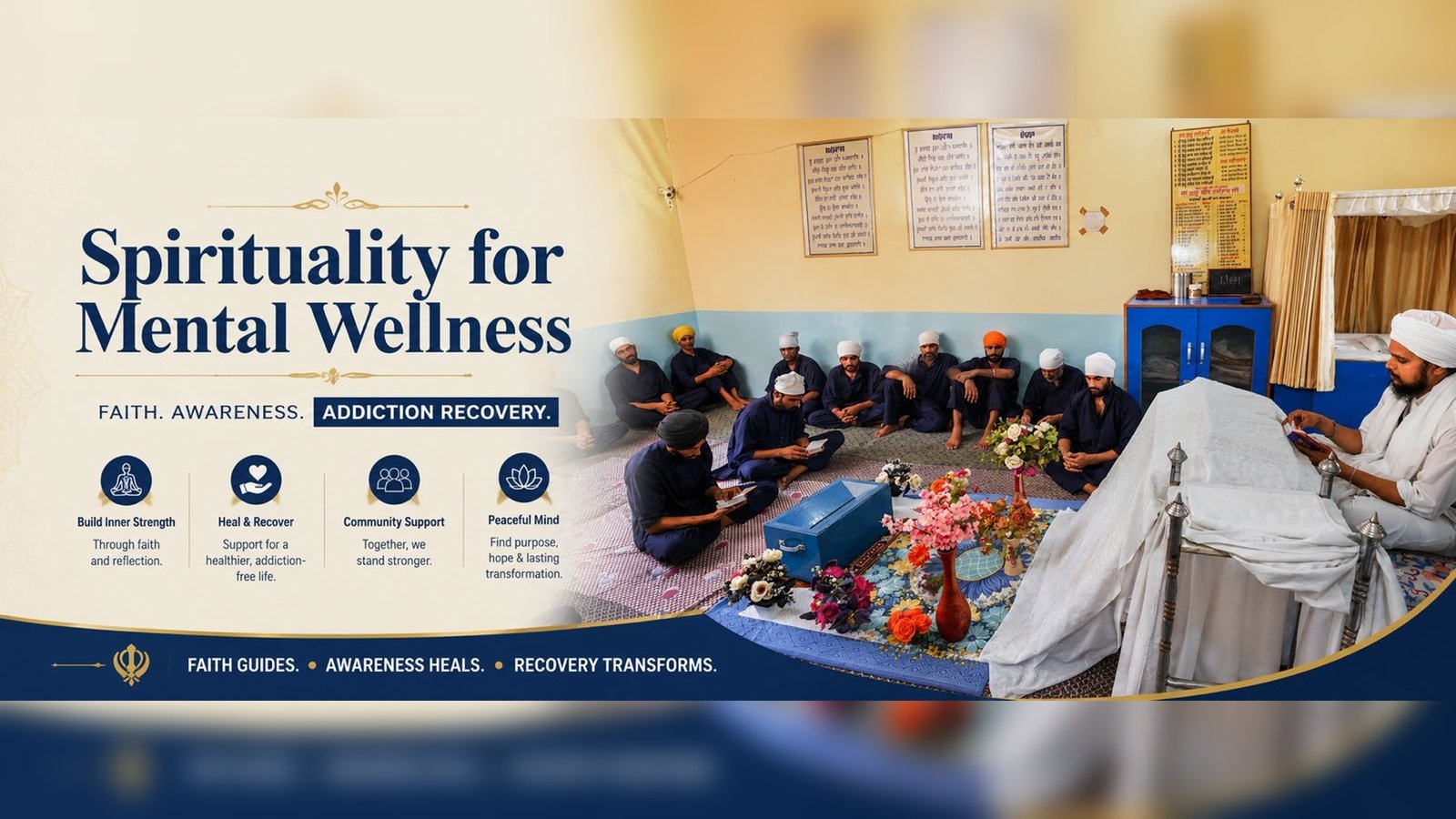
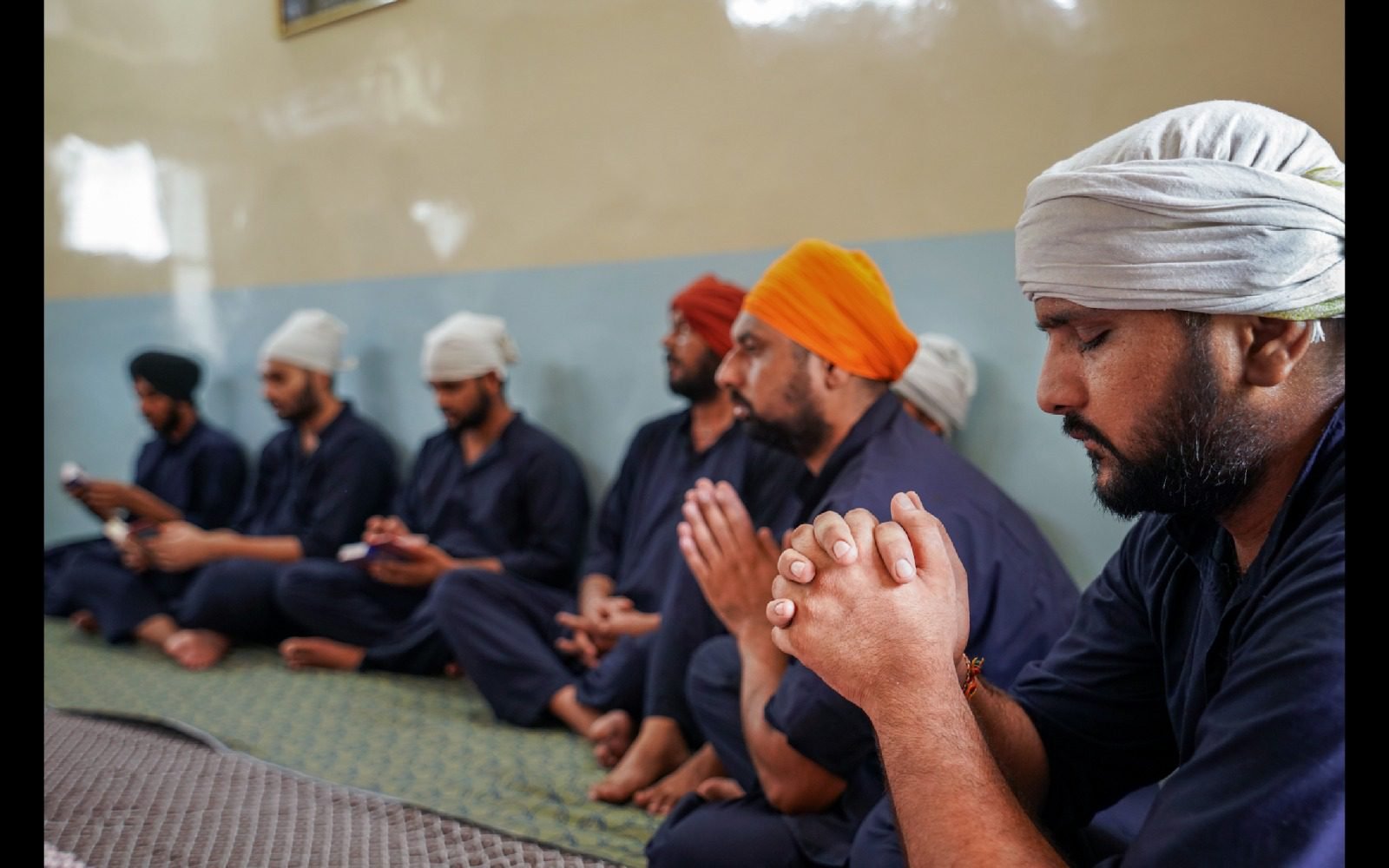
Involvement of the religious and social groups offers emotional support.
Alcohol Anonymous and Narcotic Anonymous groups play a vital role in
stabilising the patient.
Drug abuse is not an individual problem. It
is a societal challenge that affects the families. A coordinated approach
involving families, educational institutions, healthcare professionals,
enforcement authorities, media and policymakers
is essential by promoting awareness and reducing stigma. It takes a community
to prevent drug abuse and a community to support recovery.
“The opposite of addiction is not simply sobriety, it is human connection.”